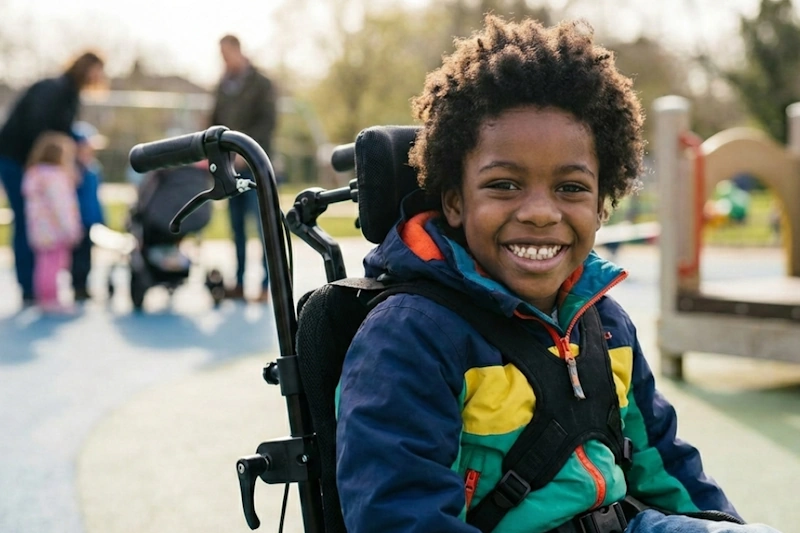
For most people, a dental appointment is a minor inconvenience. For families living with special needs individuals (SHCN), however, it is often a strategic operation — one fraught with anxiety, sensory triggers, and the high probability of being turned away. Beyond the stress lies a more dangerous reality: medical vulnerability.
The Crisis of High-Risk Individuals
Individuals with SHCN are at a significantly higher risk for dental caries (cavities) due to factors ranging from medication-induced dry mouth to physical limitations in daily hygiene. When these infections are left untreated, they do not remain confined to the mouth.
For medically complex patients, oral bacteria can lead to severe systemic complications, including heart conditions and respiratory infections.
Recent studies have identified a “two-way street” between oral health and systemic diseases, including the link between periodontitis and Inflammatory Bowel Disease. For a patient with special needs, a simple toothache can quickly escalate into a full-body health crisis.
The three walls of exclusion
The Sensory Wall
Standard clinics are “sensory mines.” Highpitched drills and fluorescent glares are incompatible with many cognitive disabilities, often leading to distress and unintentional injuries.
The Time Wall
Efficiency-based scheduling has no room for the 20 minutes of “desensitization” a patient might need. In a volume-based practice, patience is a luxury the clinic can’t afford.
The Expertise Wall
A dentist who doesn’t understand the “Mouth- Body” connection—like the IBD-Periodontitis link —is missing a vital piece of the patient’s medical puzzle.
Bridging the Gap: A Model for Inclusive Dental Care
A Framework for Inclusive Excellence
Specialist Expertise
Effective SHCN care begins with appropriate clinical leadership. Dental teams benefit greatly from practitioners with specialized training in pediatric dentistry and in managing the medical and behavioral complexities associated with Special Health Care Needs.
Creating a Sensory-Safe Environment
The physical design of a dental facility can significantly influence patient outcomes. Clinics that incorporate sensory-sensitive treatment rooms, calm waiting areas, and child-friendly spaces help reduce anxiety and improve cooperation. A welcoming environment can transform what is often a distressing experience into one that feels safe and supportive.
Advanced Clinical Support Options
For patients who are unable to tolerate conventional procedures, access to sedation services — including nitrous oxide and, where appropriate, advanced sedation modalities — is essential. Facilities that include proper monitoring and recovery spaces ensure patient safety while maintaining dignity and comfort.
A Trained Support Ecosystem
Inclusive care extends beyond the dentist. Front desk personnel, dental assistants, and support staff must be trained in behavior guidance, communication strategies, and trauma-informed approaches. When the entire team is aligned, patients and caregivers experience continuity, reassurance, and respect throughout their visit.
This article was adapted from a newsletter by Basil’s Dental Clinic. The Uganda Dental Association recognizes and commends their commitment to inclusive, patient-centered care for individuals with Special Health Care Needs.